Showing posts with label Games. Show all posts

Sunday, October 30, 2022

Healthy Food Resources for the Spanish Class

In second grade we have been learning about making healthy food choices. If you follow me on Instagram you will have seen some fun activities we've been doing as wrap up this unit. 


In the past I have struggled somewhat with this unit because there are so many different ways to look at this. Do you use my plate from myplate.gov? But then you have to teach food groups and those aren't really high frequency words I can spiral back in later. What about the food pyramid? Those are better but outdated. 

I finally stumbled upon stoplight posters for nutritional choices and it was an AHA moment! Students can review their colors and use frequency words! Once I knew what to search for, I found some really great resources. Like really really good!

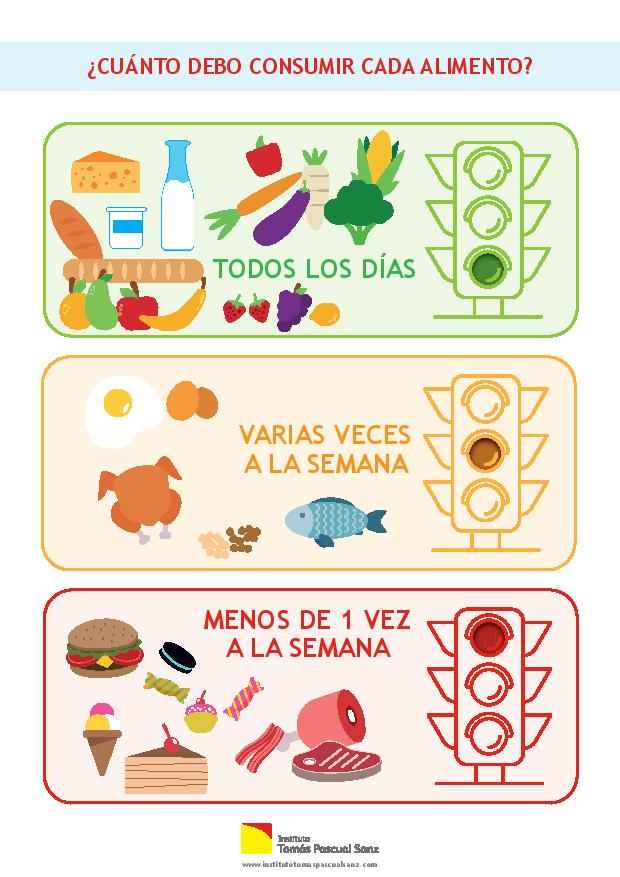
I started with this poster to introduce the idea of comida saludable y comida chatarra. 


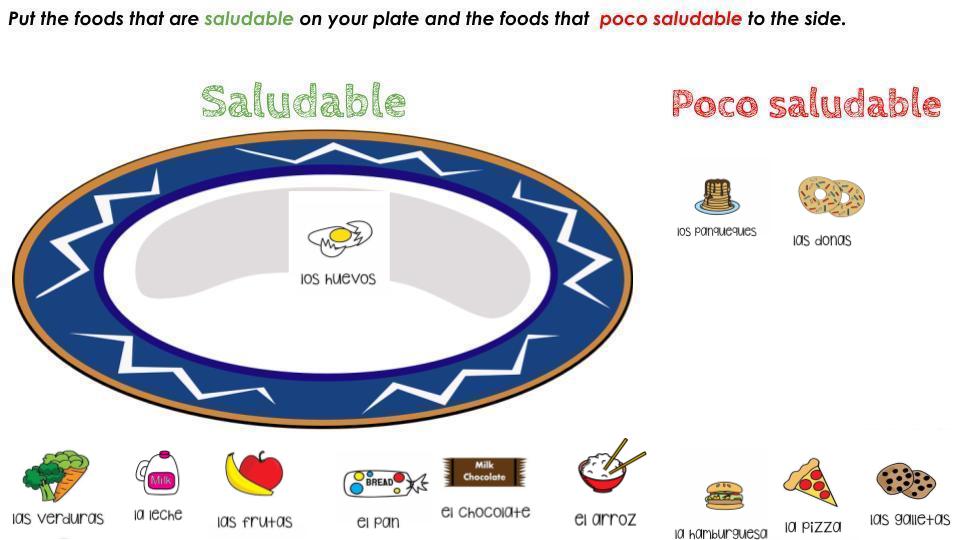
We sorted into two categories to start because that was easier for this age group (I added in the third category later). We sorted first as a group and then in pairs in a google slide I had assigned via Google Classroom. 

Our whole group sort

Students then sorted in pairs or indiviudally 

Once they felt comfortable with sorting them into saludable y poco saludable we moved onto the stoplight poster. Taking a strategy from the book Common Ground: Second Language Acquisition Theory Goes to the Classroom, in the first class we made predictions as a class about where different foods would go on the poster. To do this I just cropped the picture and put in my food pics to move around. In the next class we checked our predictions against the actual poster. Click here to see the full resource from the CDC. 

Our class prediction

The actual poster

I actually showed them two posters. They had some items in different places so it was a great way to quickly stop and in English explain that there are many opinions of what healthy eating looks like and so different sources will show different things. Click here for the second poster. It also comes with a cute worksheet that we didn't have time to get to!


We also played this interactive game! I had students whisper to their partner where they thought it should go and then one student came up and pushed the button. Later, I put the link in Google Classroom so they could play on their own. This one was a BIG hit with all my classes. Click here to go to the game. 


All of these activities were woven in with talking about foods around the world and talking about what foods we like and dislike. After students finished their writing page about what foods they liked they could choose to make their own stoplight poster on paper, with my play food, or play the stoplight game on their chromebooks. I'm hoping to take our photos and papers and make a display in our cafeteria. 


I received a huge gift of play food this summer and my students had a blast sorting and labeling it!


I have really enjoyed this unit and so have my students. The best part is you can really do this at any age and it fits well into both IB and AP themes. If I had more time or older students I would have loved to compare posters from different countries. Or even make a poster for someone who is vegetarian or gluten free, etc. 


What are your favorite resources to teach about health and/or healthy eating? Share in the comments below!


Sunday, October 23, 2022

Adios Monstruo - Teaching Body Parts in Elementary Spanish

 A few years back my district wrote a K-5 World Language curriculum and benchmark assessments. It was great to have some direction and all the teachers were teaching the same things but it also meant that a lot of my favorite projects got the ax because they didn't fit in where they used to. One of those was my Adios Monstruo class book I used to do in second grade (read more about it here). 

Technically, in kindergarten we don't learn about body parts and emotions until the third unit after winter break BUT I have found that if I wait until then to introduce body parts they will not know them well enough for our benchmark assessment in March. So instead I introduce our body parts song on the first day of school and body parts are included in our classroom expectations (piernas cruzadas, manos dobladas, bocas cerradas, y ojos en la maestra.) 

This year more than usual I've been getting into the Halloween vibe (maybe it's this awesome October weather we've been having in Kentucky?) So I decided to hit body parts harder at the end of our first unit to make monstruos. It's also given us a chance to practice colors and school supplies (which is one of the focuses of unit one.)

Learning Intention - I am learning about myself and my classroom so that I can follow directions and participate fullly in class. 

Success Criteria

I can recognize and list different colors. 

I can list school supplies I need in class.

I can list parts of my body.

I can listen and follow directions to create a monstruo. 


To start we watched Adios Monstruo. I paused it to review each body part and we practiced Tengo miedo and No tengo miedo.


In the next class we did a spin and draw activity. This page is nice because you can make it an independent activity OR you can do it in whole group. Since kindergarten students aren't quite ready for independent work AND staying in the target language, we did it in whole group using the website WheelOfNames.com (here is a link to mine already made.) The kids had a lot of fun as we drew our monstruos.


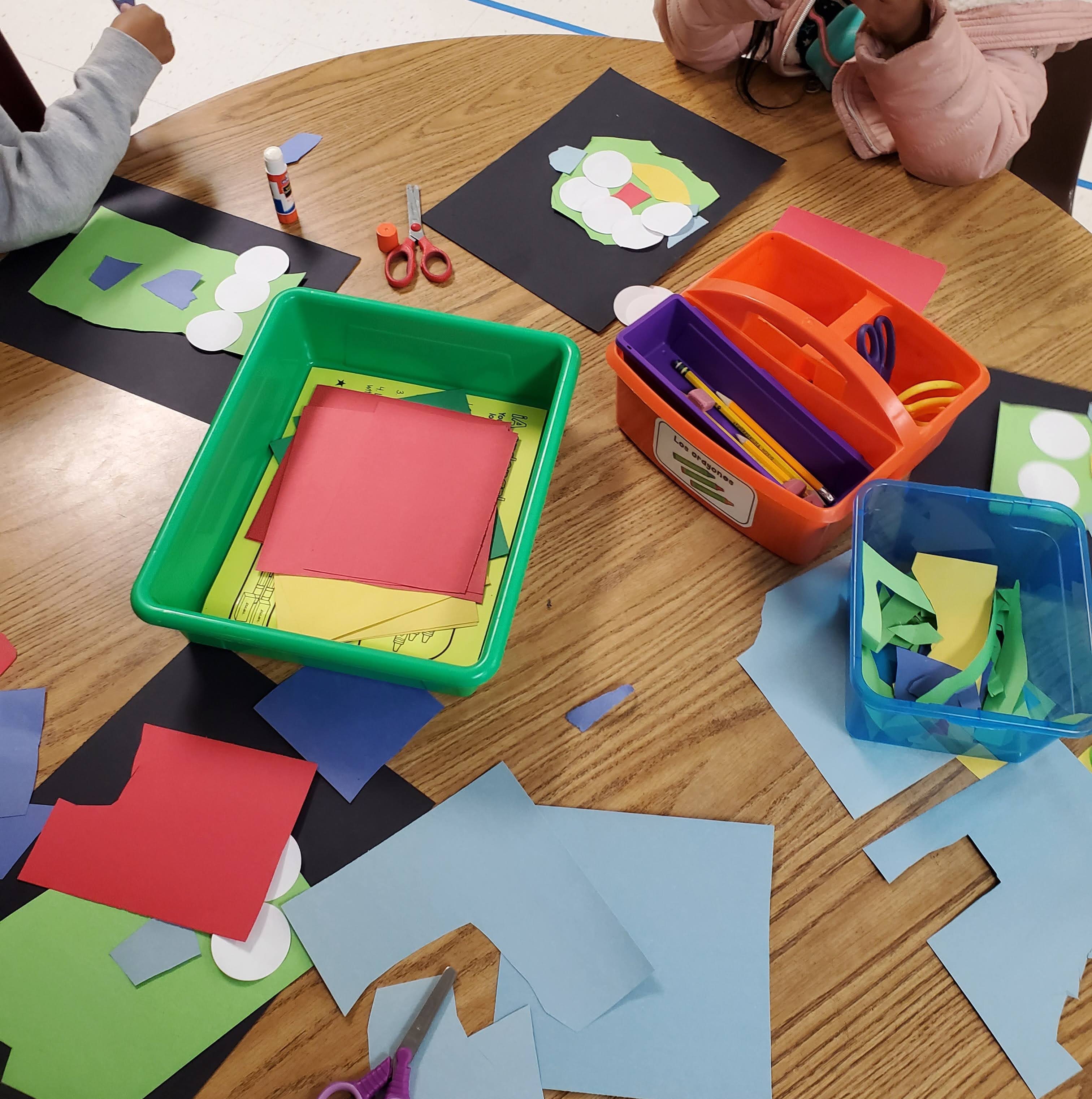
In the final two classes we've been making monstruos de papel. I give them the black paper and a smaller green paper to get them started. Then they make the mouth, nose, ears, any arms or legs with scrap paper that I put in the middle of the table. I also used the Ellison die cut machine to make circles for eyes. 

Pro Tip - I went around with a silver sharpie marker and wrote their names on the back since most of their names are still hard to read this time of year and because the black paper made it hard to see them.

In the last class, we use marker to add deatils and then we cut and paste our labels on. This is not your cutsie social media perfect project where they all come out the same, but each kid got to make it their own way and I absolutely love how they turned out!


Because we had been practicing body parts from the beginning of the year as well as colors and supplies I was able to stay 90% in the target language. I modeled for them how to cut and glue and then went around and narrated what they were doing in Spanish. While they're working is also a good time to ask them in Spanish about what colors are they using, what body part are they gluing down, etc. 


Click here to get your own Spin and draw monstruo page.

Click here to get the Adios Monstruo class book project.

And follow me on Instagram for ideas and inspiration!


Saturday, November 14, 2015

Chocolate Clapping Game

Kids of every culture love clapping games.  They're not hard to learn, it helps with pronunciation, and ties in kids' culture. Since we already sing about chocolate when doing my likes and dislikes chapter it was a perfect opportunity to add the clapping game Chocolate.

Chocolate
Choco choco la la
Choco choco te te
Choco la choco te
Choco choco la te


I used this video to introduce the game. I like it because it shows two girls around the same age as my students. 


Then we practiced for a couple minutes at the end of each class. This also makes for a great brain break if you have longer classes. My students LOVE it! Even my boys. I have morning duty in the cafeteria and I usually end up having to clap with at least 3-4 students each morning. Some of them have gotten really really fast!

Here's a video of one of my classes. (Thermal filter so their faces are obscured.)


Do you use any clapping games in your classes? Or other culturally authentic games? Share in the comments below or on Twitter using the hashtag #earlylang!

Friday, November 6, 2015

Cinco monitos saltando en la cama

Our animal for Chapter Two is el mono with an emphasis on the verbs comer (eat) and saltar (jump). This year I have been experimenting with more TPRSish storytelling techniques. I´ve used 5 Little Monkeys Jumping on the Bed before but this year I wanted to make sure that the students were not just learning that monkey is mono but also learning some high frequency phrases.

I started with this basic video that focuses on the structure There is _____. Some kids got frustrated at how slow it went but I knew it was working when a fifth grade boy told me in the car rider line one afternoon, Hay un mono. ¿Dónde? I asked him. Then he pointed to himself and said it again.


After watching this video I showed them another video - this time with real monkeys. With this video I turn off the sound and together we describe what we see. Hay un mono. Hay dos monos. El mono come. El mono salta. One student told me, "Estoy triste" when the monkey steals and eats a bird egg. The students generally react with excitement when watching the real animals. I've used similar videos when talking about other animals.  (One thing I will do better next time is make sure that the students know these monkeys live in Costa Rica. We can find it on the map and ask if Hay monos en Kentucky? for a quick comparison.)


In the next class I told them the story of the Cinco Monitos using the storytelling props from Kizclub.com. I start out by pulling out one monkey and questioning students about how many monkeys there are. At some point I tell them NO, no hay un mono. Hay dos monos and I pull out the second monkey. Then repeat until I surprise them with the third. And so forth up to five. Some classes get smart and will say the next number before I can while other classes wait for me to spring it on them. Below is how I ask the questions during the story. I have the two sentences. Hay ___ monos, Los monos saltan en la cama, and No más monos saltando en la cama up on the board so students can easily answer my questions. I ask them to answer chorally and also individually, mixing it up so they have to pay attention.

¿Cuántos monos hay? Hay cinco monos. ¿Hay 2 monos? No no hay 2 monos. Hay cinco monos. 

Los monos saltan. Los monos saltan en la cama. ¿Los monos bailan el flamenco? No, los monos saltan en la cama. ¿Los monos comen las bananas? No, los monos saltan en la cama. 

Mamá mono llama al doctor. El doctor dice, "¡No más monos saltando en la cama!"

¿Hay cinco monos? No, no hay cinco monos. Hay cuatro monos. ¿Cuántos monos hay? etc. etc. 

Even my fifth graders are enjoying listening to this story. I've had several classes groan when I said it was time to go. They especially like to yell the answers when I say the wrong thing. There's something about correcting the teacher that gets them no matter what age they are.

High frequency phrases to focus on:

Hay ____.
El doctor dice _____.
No más ______.


After finishing the story we watched the video and sing along. The way I tell the story doesn't match the song exactly but it´s close enough that the students understand and can sing along to almost all of it. If you have a rowdy class that needs to get some energy out, I highly recommend jumping around to 5 Monitos. It works wonders


So that's what we've been doing in Spanish class! What have you been up to? How do you teach high frequency phrases? Do you use storytelling or TPRS? I'd love to compare notes. Share in the comments below or on Twitter using the hashtag #earlylang

Wednesday, September 23, 2015

Caperucita Roja

I started out the school year with a story in 2nd grade this year - Caperucita Roja - to review the structures we learned last year using the Calico Spanish curriculum. While I love Calico, I added this before we jumped back in since students tend to forget so much over the summer. Caperucita Roja has so many opportunities to practice basic structures in the language and the kids love it because it´s familiar. 

Target Structures (Things they've seen before are bolded):

¿Cómo te llamas?  Me llamo ______.  
¿Cómo estás? Tengo hambre. Estoy triste. Tengo miedo. Estoy enferma.
Mi abuela está enferma.
¿Por qué?
Necesito ir (a la casa de mi abuela).
Necesitas venir aquí. 
Necesitas abrir la puerta.
¡Yo veo (body part) grande!
Necesito mirar/escuchar/comer.
Gracias/De nada. 

I told the story first using props from www.kizclub.com. I never tell the students what story they are listening to is one they already know in English because it's so much fun to listen to them as they figure it out. Before we start we repeat the expectations - Necesito mirar. Necesito escuchar. Necesito participar. Students participate by repeating the target structures with me as I tell them the story.


After hearing the story in one or two classes, I showed them a powerpoint with the same target structures. While I had individual students come up and act out certain parts, everyone read together (so that we ALL got practice.) My actors held their masks and had to look sad, sick, hungry, and ferocious. :-D At the end we discussed who were the characters, what was the problem in the story, and what was the solution. I let students answer in English (unless they were heritage speakers and then I insisted on Spanish) but we read the answer together in Spanish.


After doing the readers' theater version twice, I handed out envelopes with introductions to each characters. Students had to work together with a partner to match the introductions to the right character. Our staff recently went through Kagan training so we are all trying to use Kagan structures. I told the kids to work together and match them up AND THEN read them to each other using Rally Robin. But my second class didn't quite understand and instead one student would read a sentence and the other student had to find the picture and match it and then they switched - making it more like Rally Coach and a much better way to ensure everyone was engaged, reading AND listening. Don't you love it when students think of a better way to do something? Once they finished they got a worksheet with Sr. Lobo that they had to label the body parts. 


We had to move on quickly to make sure we had enough time to get our Journey North butterflies ready in time but our summative assessment for this unit will be a reading & matching exercise similar to the activity they already did.

Here's a great video (and authentic resource!) to use too. I have my novices listen for key words and it works great for differentiating for my heritage speakers. 


Do you teach any fairy tales? What resources do you use? Share in the comments below or on Twitter using the hashtag #earlylang!


Wednesday, September 16, 2015

What's your name game for kindergarten

Fellow Spanish teacher, Emily, here in Lexington recently emailed me with a great game for kindergarten.

I tried a new game this year and the kids have really loved it and we were able to speak in Spanish for the entire game. Thought I’d share. It’s so simple, but great.

Have students in a circle/desks/you could even do this in small groups once they get the hang of it.

Call on someone by asking ¿Cómo te llamas? They answer with Me llamo ___.

Whole class tell them Adios ____.

Cover them with a bandana or I used  a Spanish flag.

Whole class asks ¿Dónde está? ¿Dónde está? Until student pulls the flag off and the class shouts ¡Hola ____!

I demonstrated with my stuffed animal and myself so they wouldn’t feel silly about covering their heads. It is so simple, but I’m telling you their belly laughs are precious and they were all speaking in Spanish and loving it.

I played it this week with my kindergarten classes and like Emily's students we had a great time. 


Saturday, April 26, 2014

Trying Centers - Part Three

So I finally tried centers with my third graders and I'm getting ready to do it again with second grade. Check out my previous posts, part one and part two in this series to see what mistakes I made in the past and the particulars of each center. Now that I've done a full rotation with all of the third graders I have some thoughts and reflections for using centers again in the future.

Pros of centers:

  • If prepared well, the centers can offer a level of differentiation that you don't get in whole group instruction.
  • We can play games in a whole group but it requires me to make more cards and have more dice and just more of everything. But in small groups it is easier prep for me game-wise and the students get more turns and chances to speak.  
  • Because every student was actively engaged, just walking around and listening in could give me an idea of where each student was at in terms of learning the new vocabulary.

Cons of centers:
  •  I would have liked to have modeled each activity in Spanish but since I have so little time I resorted to English to give them the instructions. This means I was under my 90% target but the students were speaking more Spanish so that was the trade-off. This is a con but I think it's a worthy trade-off at this point.
  • I need to figure out a system to make sure that MY expectations are the ones being observed in groups where the classroom teachers has a looser style.

  • It's a lot of prep beforehand because you're essentially preparing multiple activities for one class. The good news is that once you're ready you're good for several classes. 

Things I will try to remember to do next time:
  •  Make sure I have different levels at each activity so students can pick which level they need.
  • Add some sort of accountability sheet for at least one station so I can get a better idea of where each student is and that they are participating like they should.
  • Try to model in Spanish so I can keep to my 90% target language goal. If I do similar games with different vocabulary this should be possible the next time.

So what have been your experiences with centers/stations/carousel? Please share in the comments below. I love suggestions!

Saturday, April 12, 2014

Trying Centers - Part Two

So after a disastrous first try at centers, I finally tried them again this year with my third graders during our Familia unit. We had three different centers each with a different game that had them practicing the new vocabulary. Everyone got one rotation at each center.

Center #1 Languages Online - I love this website and use it to play games, for worksheets, and it's posted on our school website so students can find and access it outside of Spanish class. Students got on their classroom computers and laptops to play the games. Since they love computer games, this was easily their favorite center. The only downside was getting them to the site, although I think if we did this more often they would find it faster and maybe even start getting on it during inside recess and at home.


Center #2 Dice Game - Students had big dice and a list of questions about how many brothers, sisters, aunts, uncles, and cousins they had. There were also flashback questions that asked "How old are you?" and "What's your name?" Having the vocabulary available, either up on the SMARTboard or in the center box, was crucial for this center. Some students did this one with no problems at all and wanted more questions, and other students really struggled with the questions. I spent most of my time at this center, helping the kids who were struggling. If I do this one again, I will make different question sheets for different levels so kids can self-differentiate.

Center #3 Matching Game - Students had cards with pictures of different families and other cards that had descriptions of those families. They first matched up the cards working in pairs, then flipped them over and played Memory. This was another center where some students struggled to make the matches (although I pointed out that they could look at the SMARTboard to help them) and others flew threw it and wanted more of a challenge. I solved the latter problem by having them combine different sets so that they had more cards to figure out.


So there's the particulars of each center. In the next post, I'll wrap up with my reflections on what worked and what I need to do differently and how I just might have changed my mind when it comes to centers in Spanish class.

Saturday, April 5, 2014

Trying Centers (again) Part One

So the first time I tried centers it was a DISASTER. I'm not being melodramatic here; it literally was the worst class I have ever taught. The students ran around the room like crazy people. They tore up one activity so that I couldn't have used it again even if I had wanted to. It was bad, very, very bad. I cried in the bathroom after it was over and  swore I would never do centers again.

But upon further consideration I realized I had made a few mistakes...

Mistake #1 - And this was my biggest - I tried centers with one of my toughest classes to control. I barely made it through a regular lesson without issues so this was not the group to experiment on.

Mistake #2 - They weren't comfortable enough with the language they needed to be set free on their own. The SMART board was down that day as well so there was nothing up for them to reference to HELP them use the language on their own.

Mistake #3 - I didn't explain my expectations clearly enough. This particular class when they were confused on what to do would just goof off instead.


So it was very hesitantly that I decided I might try again this year with a new group. Because of mistake #2 I did push it back one week than I originally planned because I wanted the students to be comfortable with the language and I still have some things I would change but overall it went MUCH better this time around.

I had three game centers on Mi Familia that had students speaking, reading, and playing on the computer. It took 2-3 classes for everyone to get one rotation at each center while I walked around and made sure everyone was on track. This time I explained and modeled each game as well as left written instructions in each box. I also explained what the signal to change would be and how they should switch. And then I took their feedback at the end to see what they thought worked and what didn't. I got surprisingly good and honest feedback.

I had two classes that went perfectly, one where they got a bit loud and one where they had trouble following directions and staying on task (but that's pretty normal for both of those classes.)
http://www.k-3teacherresources.com/images/editorimages/literacy_games_copy-small.jpg

In my next post I will outline each center in detail, what I would keep and what I would change.

Saturday, March 22, 2014

That's how I roll - Games to practice conversations

I don't like to make mistakes. And neither do my kids. Getting students to take the risk and speak in Spanish can be a challenge, especially as they get older. One way to lower that affective filter is to make speaking fun. Here are 3 games I use in class to get my students talking.

Matching Game - Students use the same cards from Manos Rápidos but this time they get 1-4 cards each. Walking around the room they either have to find the other person who has their matching card OR they have to trade cards to get 3 of a kind. To get their matches first they have to say Hola, then they play jankenpón (or your TL's version of rock, paper, scissors.) The student who wins asks for a card while the loser has to hand over the card if they have it. Almost any conversation you are practicing in class can be used for example:

Losing Student : Where are you from?
Winning Student: I'm from (name of country card he wants.)

LS: How's the weather?
WS: Its (weather of the card he wants.)

LS: How are you?
WS: I'm (emotion card he wants.)

And so on and so forth. They sit down when they have their matches so I can see who is still working. Or sometimes they come up to me and I give them new cards so they can keep playing.


http://store.rebeccas.com/store/images/large/NV156.jpgRoll the dice - This is fun with regular dice but is SUPER fun if you happen to have some over-sized or fluffy dice. I have two big fluffy dice I use when we play as a whole group and over-sized dice from the dollar store for games in pairs. To play this game, students roll the dice. Whatever number they roll corresponds to a question their partner then asks them in the TL. Then they switch. You can change up the questions for any vocabulary you are studying. I also like to include a few review questions in there as well.


Dance Party! - My kids perk up whenever they see dance party on my whiteboard schedule. This is a simple game to motivate them to practice the conversation we are studying. I play some music and students dance around the room. When the music stops they have to freeze, then find a friend. They give them a high five and then practice their conversation in Spanish. Make it more interesting by giving them a card with different information that they have to exchange.

http://www.bbtoystore.com/mm5/beanies/PL_basketball.jpg
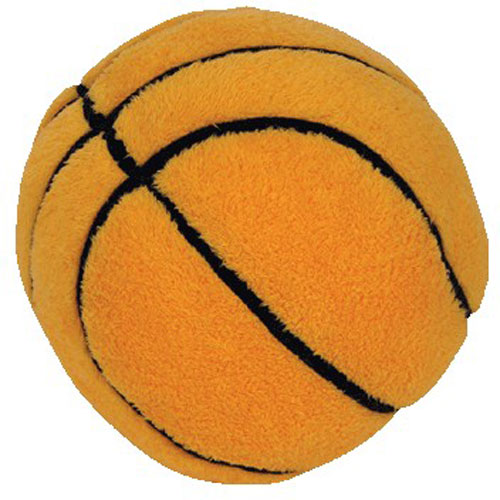
Pass the ball - This is another super simple game and is a good one to pull out if you have a few extra minutes at the end of class. The students sit in a circle and pass a ball back and forth. They have to ask and answer a question in the TL before passing. For example - My name is Jennifer. What's your name? If you want students to have more turns split them up into smaller groups, with each group having their own ball.


What are some of the games you play to get your students talking in the TL? Share in the comments below! I love new ideas (in fact the pass the ball game came from a comment here on another post!)

Saturday, March 8, 2014

What's Working - QR Code Scavenger Hunt

So my 4th and 5th graders are learning how to describe people. First we learned descriptions with the verb tener. We did a mystery story where we had to guess who stole their teacher's special pencils based on descriptions of people seen in the school after dismissal. Then they wrote their own descriptions and read them to the class to guess.

Now we've added descriptions with the verb ser. Just like with the tener phrases we learned them using Whole Brain Teaching and then they wrote them in their dictionaries. I had several descriptions of people that would have been SUPER easy to just put in a worksheet and have the kids match the description with the picture, but that would have been BOOOORRRING.

So what to do instead?

A scavenger hunt! To liven it up I created a QR Code scavenger hunt. Using the site classtools.net, I created my quiz, printed off the QR codes and then hid them in the hall. (If you have a room you would just hide them there but since I travel I put them in the 4/5 hallway.) I printed off the answer sheet with the character pictures in color, then slid them into sheet protectors so students could write on them with dry erase markers. Then I set the kids loose in the hall with ipod touches*. The codes were hidden in plain sight on the wall, under tables and on the sides of filing cabinets. If they weren't sure of a word then they could look it up in their dictionaries.

1

It was a huge hit! The kids were so focused on finding the codes and the answers that they barely realized they were reading Spanish. If you don't happen to have access to ipods or devices with QR code scanners you could easily do this low-tech and hide the picture and have the students walk around with the descriptions.At the end of class, they wiped their sheets cleaned and turned in their ipods. In the next class, we went over the answers as a whole group, checking our answers on the SMART board (if you hide the answers under a disappearing rectangle they will beg to be the one to come up and click it to reveal the correct answer!)

Have you used QR codes in your classroom? My kids loved this activity so I'd love more ideas on how to incorporate them. Share in the comments below!


*On a side note: Our district has technology you can check out from central office, including a set of 20 ipod touches that have the QR code scanner app. We have over 50 schools in our district but apparently only me and one other teacher at my school know this service exists because NO ONE else ever checks out the tech. I literally had a set of flipcams for 3 months because I just kept extending my checkout when I saw no one else had reserved them. The moral of this story is if you are lacking tech at your school ask around and see if your district doesn't have something similar.

Saturday, February 22, 2014

That's How I Roll - Funny Voices

I recently read a post from blogger LoveTeach about how to spice up your teaching with zero effort. Her suggestion to teach with a fake British accent reminded me just how often I use funny voices in my classes. You just can't underestimate the power of the funny voices.

My funny voices started in Japan. I wanted my students to practice questions and answers in English. Since I spoke little to no Japanese I had to act out what I wanted them to do. They also happened to sit boy/girl/boy/girl there so when I acted out the students having the conversation with the person next to them one naturally had a very deep voice and the other a very high voice. One day I acted it out without the voices and I got a very upset little 3rd grader who said, "sensei, sensei blah blah blah" which I translated as "Teacher, where are the silly voices?"

I use the same strategy in my Spanish classes when I want the kids to practice questions and answers during our Enseña period. And since we´ve started doing descriptions in 4th and 5th grade they have become invaluable when learning that gender agreement in our ajectives - Yo soy delgada said in a high pitched voice versus Yo soy delgado said in a deep voice. Do the students think I´m crazy? Yes. Are they having fun? Yes. Are they learning the difference between femenine and masculine adjectives? Yes.

Funny voices are also great for anything that require repetition. So when I'm introducing new vocabulary we say it quiet, loud, high-pitched, low-pitched, angry, sad, like robots etc. Let the students give you ideas. This past week in my after school enrichment program we sang Cabeza, Brazos, Piernas, Pies (or Head, Shoulders, Knees and Toes) many many different ways, my favorite being as old men with canes and Tyrannosaurus Rexes, both student suggestions. As dinosaurs we roared after each verse and as old men we groaned when we couldn't reach our toes. I was almost in tears from laughing by the end.


Do you use funny voices in your classes? How and when? Share in the comments below!

Monday, February 17, 2014

Assessments - Stamp Pages

I have a LOT of students - almost 700 in fact, so assessments can sometimes be overwhelming. One of my professional development goals this year is to get better at assessments. One thing I didn't do much last year was self-assessments. The solution? Stamp pages!

I won't lie - I took this idea straight from the Creative Language Classroom and the JCPS Skydrive. I would have loved to use them exactly as I found them but 1) I don't want JCPS on the header when I work in a different county and 2) some of the I can statements are beyond my little one's cognitive abilities even in English. I can't very well teach them how to tell time in Spanish if they haven't learned it yet in English.


Also, since I have less time with my students, I also have to be aware of how much time it will take to finish a unit. Last year, I re-made the Unit 1 - Getting to Know You stamp page with basically the same I can statements and it took the ENTIRE year! This year, I made a smaller stamp page template and planned shorter units. I also changed it from a teacher assessment tool, where I tried to listen to each student individually and then gave them their stamp to a self-assessment tool where students decided if they earned the stamp or not at the end of the unit. I have 4 buckets on my cart that have 3-4 stamps, an ink pad and a sheet of Spanish stickers. At the end of a unit, we watch a video and pass around the buckets.

Before each stamping session I review with the kids how to use the stamps (i.e. Don't put your fingers or nose in the ink pad; Don't stamp your hand or friend's forehead; Only stamp your stamp page.) We also review why we have the stamp pages. I want them to take their pages home at the end of the year and be able to show their families all the things they learned. If their mom asks them "I can introduce myself" then they should be able to do it. If they have a stamp there and can't do it then they are going to be embarrassed. I'm sure some students just stamp away but most of them are actually very conscientious about it. I also have a blurb at the end that asks them to write about what they are proud they can do. Once we finish with all the stamps I will have them look back and reflect on what they can do and what helped them learn.  So that's my stamp pages.

Update January 2015: This year I have converted to shorter half page stamp sheets. The procedure is the same but now students can take their stamp pages home after each unit rather than waiting to the end of the year. It also gives me more flexibility to change my mind on what to teach throughout the year if I want.

If you are interested in downloading a copy I have made them available in Google docs. Just click here for a full page and here for a half page. Once you have them downloaded just insert a text box, type in your I can statements and move them to the middle of the bubbles. Enjoy!